|
|
Although it has been
around for more than 4,000 years, the flax plant
is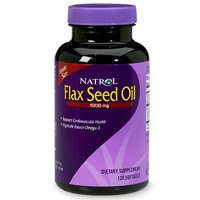 surprisingly versatile. Various parts of this
plant can be used to create soap, dye, paper,
and fabric. In addition, the seeds of the flax
plant can be used to create a beneficial
nutritional supplement. surprisingly versatile. Various parts of this
plant can be used to create soap, dye, paper,
and fabric. In addition, the seeds of the flax
plant can be used to create a beneficial
nutritional supplement.
What is Flax
Seed Oil?
Flax seed oil
supplements are a rich source of Omega 3
essential fatty acid, Omega 6 essential fatty
acid, and alpha linolenic fatty acids. Flax seed
oil also contains significant amounts of fiber,
protein, and lignans.
Flax seed oil
supplements are fairly inexpensive and come in
many different forms. The most common forms are
soft gel capsules and a liquid that can be
easily mixed into juices or other drinks. In
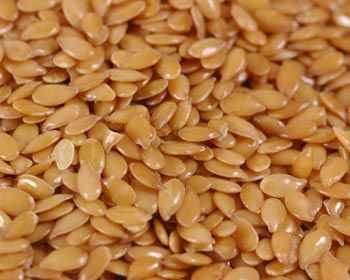
addition, you can purchase seeds to use on
salads, cereals, or breads. Since the various
forms of flax seed oil offer the same
nutritional benefits, choosing a supplement is a
matter of your personal preference.
In most cases,
nutrition experts recommend you take at least
1,000 mg of flax seed oil one to three times
each day. However, it is possible to use up to
30 grams per day without harmful side effects.
Flax Seed Oil
Benefits
 While flax seed oil
is most often used by people seeking to lower
their risk of developing coronary heart disease,
research has show that supplements can assist in
treating or preventing many different
conditions. For example: While flax seed oil
is most often used by people seeking to lower
their risk of developing coronary heart disease,
research has show that supplements can assist in
treating or preventing many different
conditions. For example:
-
Since they
contain both soluble and insoluble fiber,
flax seeds are an effective remedy for
constipation.
-
Flax seed oil is
sometimes used in the treatment of skin
conditions such as dandruff, psoriasis, and
eczema.
-
Since it reduces
inflammation, flax seed oil benefits people
with lupus or arthritis.
-
Flax seed oil
helps athletes by shortening the recovery
time for fatigued muscles, increasing
stamina, and providing extra energy.
-
Flax seed oil is
sometimes used to treat cases of mild
depression or to reduce the symptoms of PMS
in women.
-
Since it’s rich
in lignan, flax seed oil reduces the risk of
colon and breast cancer.
-
Some studies
have indicated that supplements can help
people suffering from obesity lose weight
more easily by increasing the base metabolic
rate.
-
Flax seed oil
may help people suffering from allergies or
asthma.
-
Recent studies
have shown that flax seed oil appears to
help heal the inner lining of the
intestines, making this supplement
beneficial for people suffering from Crohn’s
Disease or Colitis.
-
The Omega 3
fatty acids in flax seed oil may reduce the
risk of macular degeneration, a serious
condition that leads to blindness by
damaging nerve cells in the eyes.
While the benefits
of flax seed oil can be quite significant, this
dietary supplement is not recommended for
everyone. Pregnant women and nursing mothers
should avoid this supplement. In addition, flax
seed oil is not intended for infants or young
children.
There are no known drug interactions associated
with flax seed oil, although you should always
let your physician know which dietary
supplements you are taking. The most common side
effect of flax seed oil supplements is mild
diarrhea.
by Dana Hinders
|
|